Tell us about the job
Takes about a minute. No obligation.
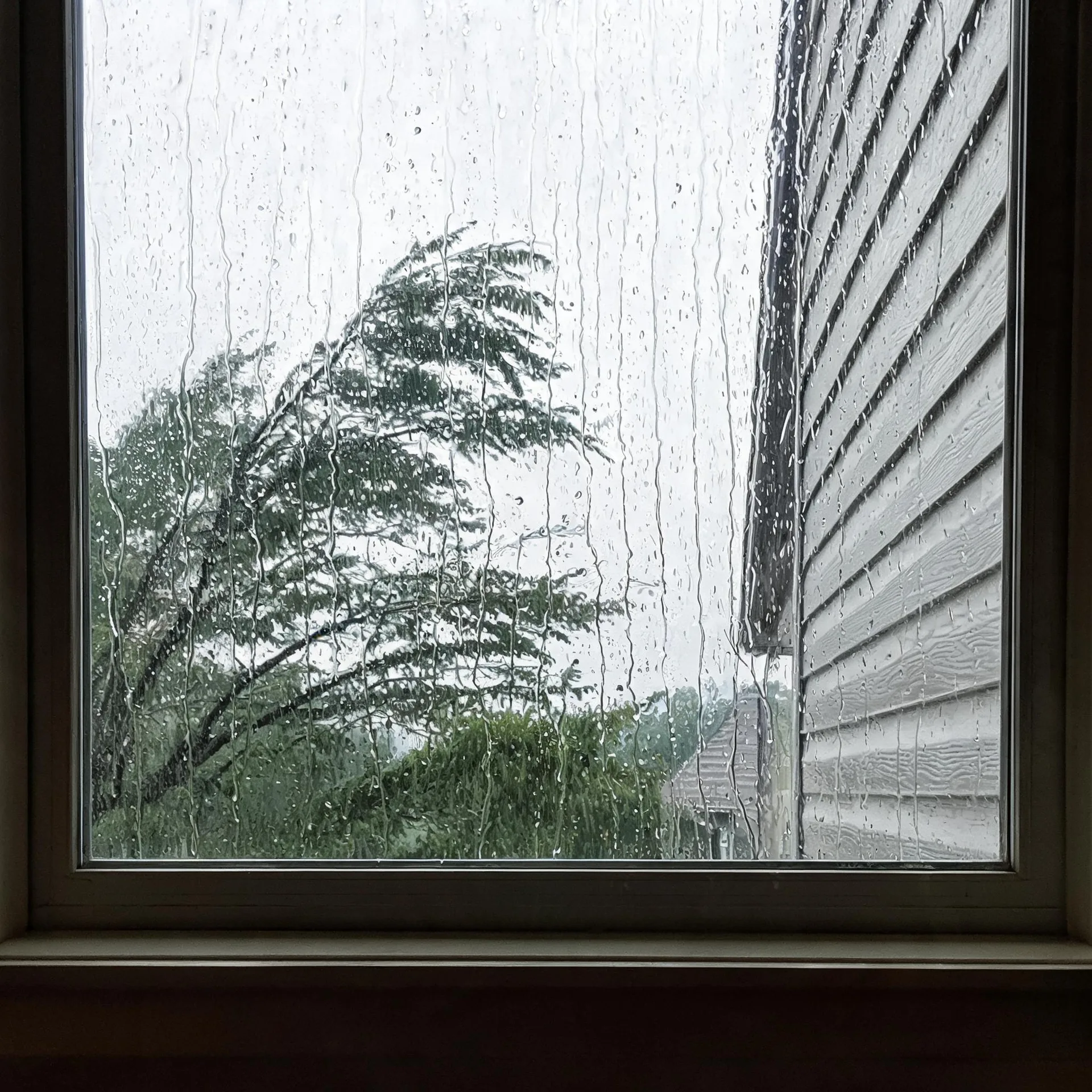
A furnace repair in this county starts with a question a contractor has to answer before they can commit to a scope: what wore this component down. 142 severe weather events were recorded in Macomb County, Michigan between 2015 and 2024. At that rate, every furnace in this county has spent years cycling against real environmental load, and the stress shows up in heat exchangers, igniters, and blower motors before it shows up anywhere a homeowner notices. A contractor who skips that history quotes the visible failure and misses what drove it.
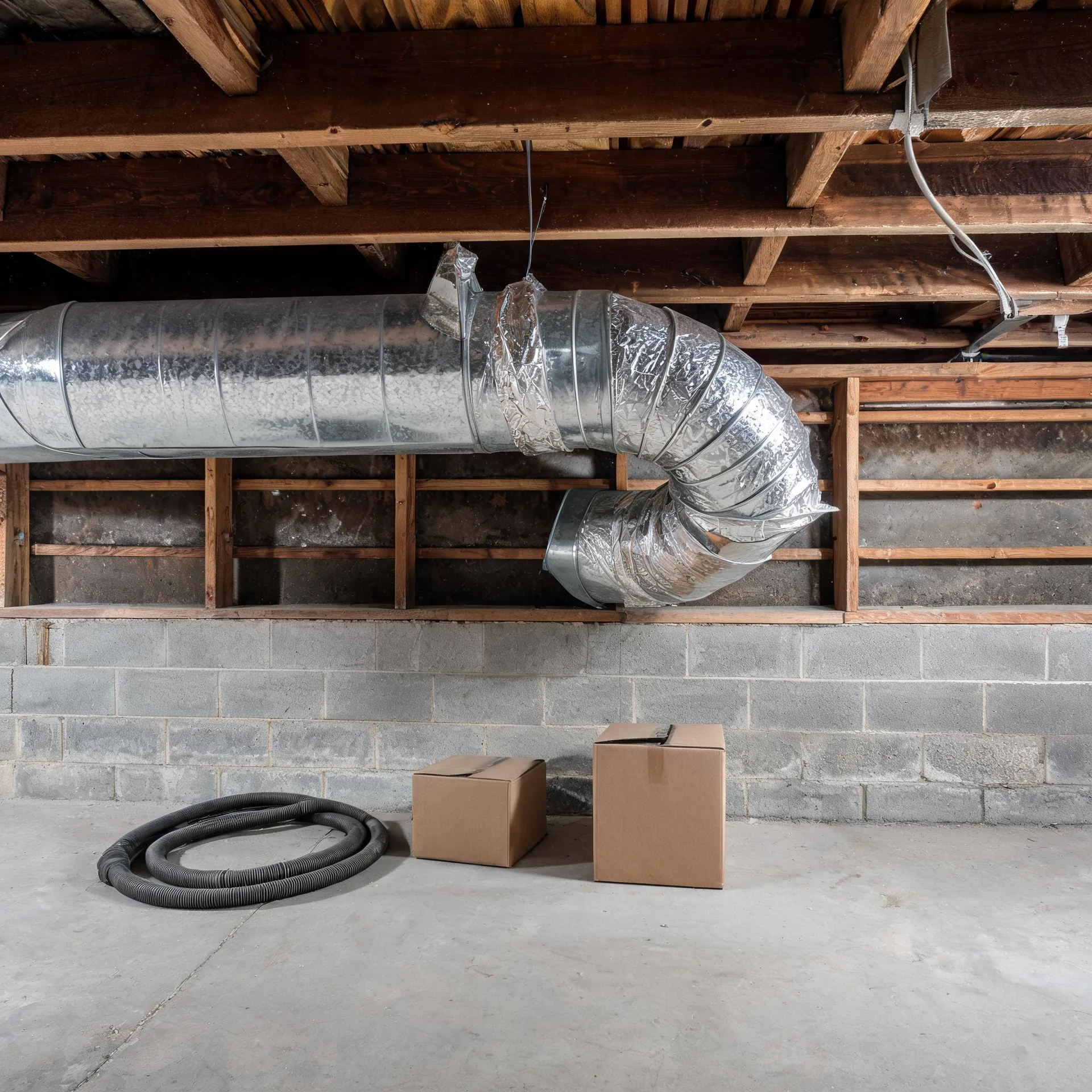
Furnaces in houses that old often run parts that have cycled out of standard supply chains. Half the homes in Macomb County, Michigan were built in 1975 or earlier (2020-2024 ACS 5-year). A contractor opening a heat exchanger or a control board in stock like this checks manufacturer availability before committing to a repair path, because a part that looks repairable becomes a replacement job the moment it turns out to be discontinued. That gap between what the house contains and what suppliers still stock is where the repair cost is actually decided.
The Parts of a Furnace a Contractor Checks First
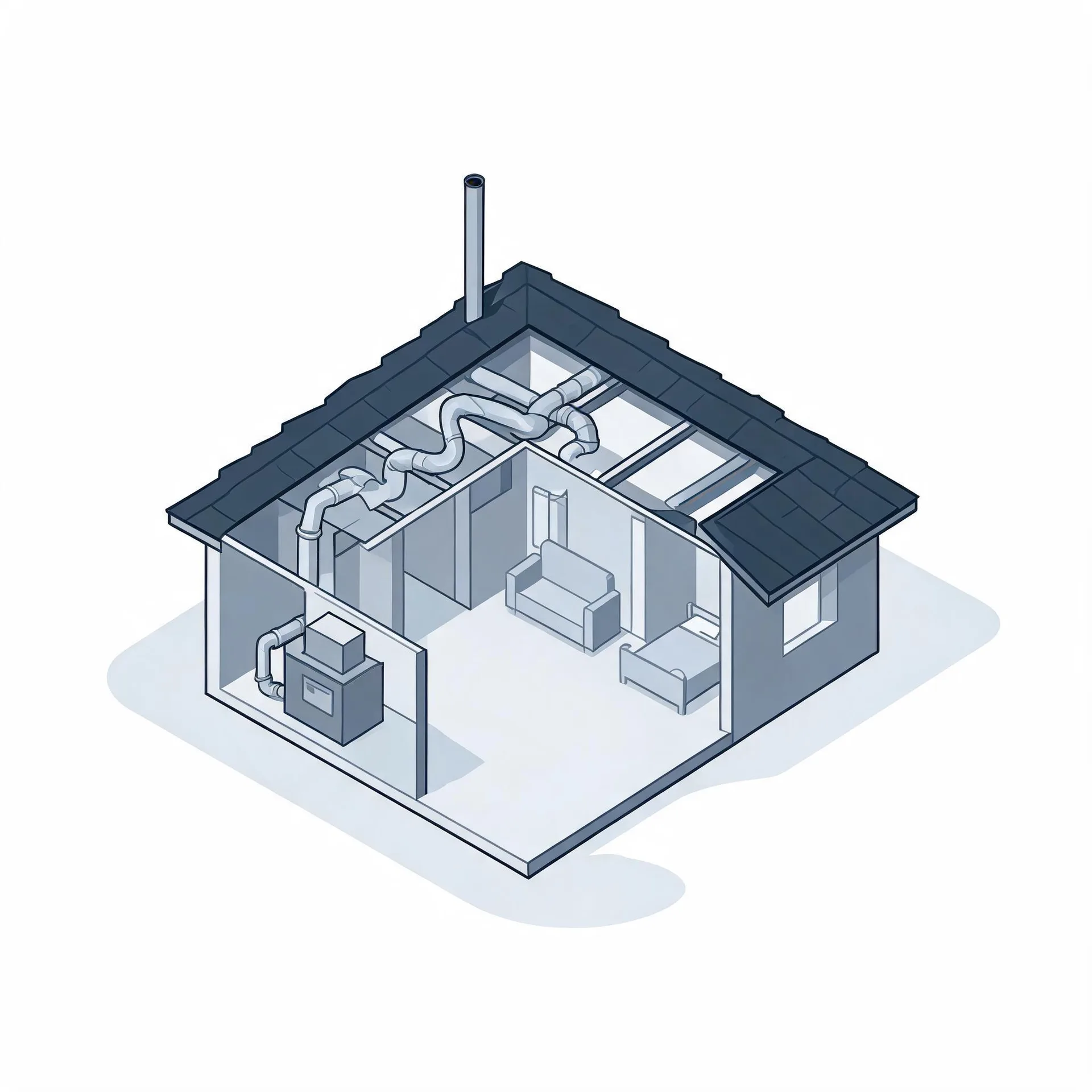
The heat exchanger sits at the core of the furnace cabinet in your basement or utility room, and it is the piece that separates combustion gases from the air your family breathes. When a furnace blows cold air, short-cycles, or trips a safety lockout, the heat exchanger and the burners directly below it are where a contractor looks first.
The blower motor sits at the base of the cabinet and pushes conditioned air into the duct system. Alongside it, the control board, igniter, and flame sensor each handle a distinct step in the startup sequence, and a fault in any one of them can stop the furnace from firing or cause it to shut down mid-cycle.
The drawing shows a general layout of these components, and a licensed contractor determines which of them applies to the specific furnace and setup in your home.
Find a contractor in Macomb CountyMacomb County, by the numbers
142 severe weather events were recorded in Macomb County, Michigan between 2015 and 2024.
NOAA National Centers for Environmental Information, Storm Events Database, bulk CSV export, events 2015-01-01 through 2024-12-31.Half the homes in Macomb County, Michigan were built in 1975 or earlier (2020-2024 ACS 5-year).
U.S. Census Bureau, 2020-2024 American Community Survey 5-Year EstimatesMacomb County, Michigan holds 373,413 housing units (2020-2024 ACS 5-year).
U.S. Census Bureau, 2020-2024 American Community Survey 5-Year EstimatesOwners occupy 75.0% of the occupied homes in Macomb County, Michigan (2020-2024 ACS 5-year).
U.S. Census Bureau, 2020-2024 American Community Survey 5-Year EstimatesCodes & Standards Covering Furnace Repair in Macomb County, Michigan6 sourced rules and standards
What the repair visit looks like
Non-weatherized gas furnaces manufactured on or after November 19, 2015 must reach 80.0 percent AFUE.
Non-weatherized oil-fired furnaces manufactured on or after November 19, 2015 must reach 83.0 percent AFUE.
Mobile home gas furnaces manufactured on or after November 19, 2015 must reach 80.0 percent AFUE.
Non-weatherized gas furnaces manufactured on or after December 18, 2028 must reach 95.0 percent AFUE, up from the 80.0 percent minimum that applies to units manufactured before that date.
Licensing Rules for HVAC Repair in Macomb County, Michigan
Michigan issues the mechanical contractor’s licence by classification: HVAC equipment, ductwork, refrigeration, hydronic heating and cooling, and limited or unlimited heating and refrigeration service are each a separate classification a contractor has to hold.
Michigan requires a mechanical contractor’s licence: nobody may install, alter or service the regulated mechanical work unless they, or an employee, hold a licence from the department that has not been revoked or suspended.
Severe Weather Events in Macomb County
Extreme weather puts real load on furnace systems, cycling them hard and fast in ways that steady conditions never do. How much of that strain a furnace has absorbed over the years is a local question, and the record below shows what the weather in this area has looked like.
142 severe weather events, 2015–2024. Source: NOAA National Centers for Environmental Information, Storm Events Database.