 Skip the calls
What size furnace a Michigan home needs
Answer a few questions instead of calling shop after shop.
Furnace size isn't a guess and it isn't just square footage either. Get it wrong and you'll know, either a furnace that short-cycles and never quite gets the house even, or one that runs forever trying to keep up on a January night. In Michigan, with power priced the way it is and gas heat doing most of the work, the size on that nameplate matters for every bill you get from November through March.
The right number comes from a load calculation, a room-by-room look at your house: how much glass you have, how it's insulated, how the ductwork is laid out, what direction the walls face. A contractor who installs furnaces in this area every winter has done this math on homes like yours before and knows which parts of a Michigan house tend to lose heat fast and which don't.
Sizing it right the first time also matters for summer. Sticky as it gets here, a lot of homes run the AC off the same air handler and ductwork, so a furnace that's sized correctly tends to mean a system that handles both seasons the way it was designed to.
None of this is work you want to hand to whoever happens to answer the phone first. Finding someone licensed to size and install a furnace usually means searching around, calling a few companies, explaining your house and your situation to each one, then sitting with a stack of quotes trying to figure out which contractor actually knows what they're talking about. That's the part this page skips. Tell us about your house once, and it goes to one licensed contractor working in Michigan, someone who sizes furnaces for homes like yours all winter and knows what tends to go wrong in them. No flood of calls from five different companies, just the one who fits the job.
From there, the sizing conversation happens with someone who already knows the territory.
There's no single right answer without a Manual J load calculation, but most Michigan homes land somewhere between 60,000 and 100,000 BTUs, with larger or older, less insulated houses pushing toward the top of that range. The number depends on square footage, ceiling height, window count, and how well the house holds heat once it's warm. Michigan winters matter here: a furnace sized for a mild climate will run flat out on the coldest nights and still lose ground, while one sized too big will short-cycle, wearing out parts faster and leaving rooms unevenly heated. The right size covers the coldest stretch of January without oversizing for the other five months. A contractor who does this work locally runs the calculation on your actual house, not a rule of thumb, and that's the only way to land on the right number instead of guessing between two sizes that are both wrong.
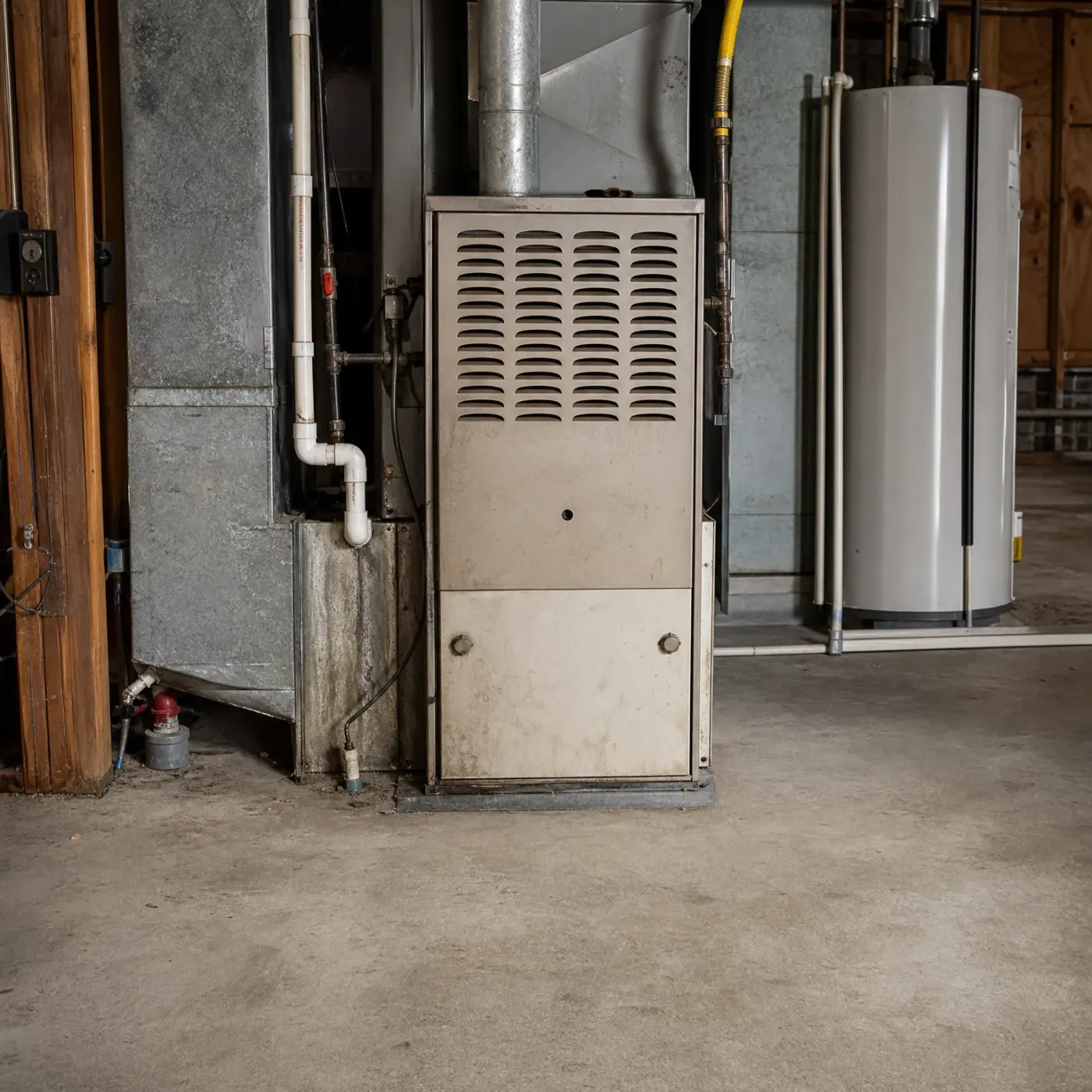
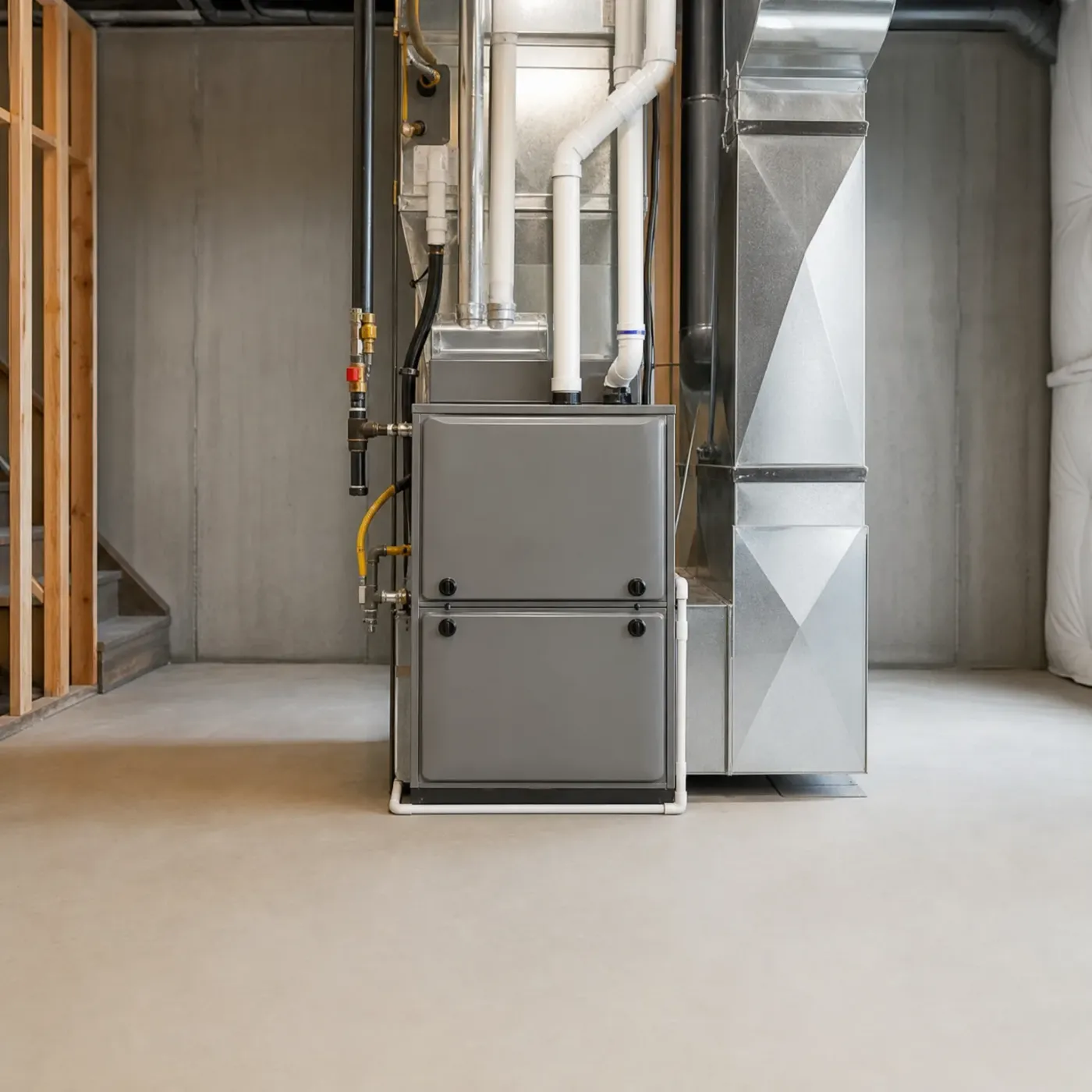
Winter nights average 19°F statewide
At 19°F, your furnace is working against a 50 degree gap just to hold the house at 70. That's the load it has to cover on an average winter night, not just the worst one. Size it for that, and it won't be straining every night to get there.
NOAA nClimDiv 1991-2020 county normals weighted by homes
The wrong size shows up on the first cold night
An undersized furnace runs almost constantly once temperatures drop and still leaves back bedrooms cooler than the rest of the house. An oversized one blasts heat fast, shuts off, and leaves the air cold again before long, so the house never settles into one even temperature. Either way, you notice it in the rooms where your family actually spends time, not on a spec sheet.
Finding out which one you have usually means calling a few contractors, explaining the same layout and the same problem to each, then sitting with quotes that size the job differently because nobody ran the same numbers. A licensed Michigan contractor who installs furnaces through winters like this one can look at your house, run the load calculation once, and tell you the BTU number that fits it, no comparing, no repeating yourself to the next company on the list.

A contractor measures every room, window, and door in your house.
They check your attic and wall insulation levels.
They calculate heat loss for your house on the coldest nights.
They match a furnace's BTU output to that calculated load.
Why does my furnace size depend on more than square footage?
You've seen the BTU ranges and figured your square footage would land you a number. But two houses the same size in your town can need different furnaces, and that's not something a tape measure settles. If you're trying to understand why the contractor keeps asking about windows and insulation instead of just pacing off the rooms, this is the part that explains it.
Heat loss, not floor space, sets the size
A furnace has to replace the heat a house loses, and two homes with the same square footage don't lose heat at the same rate. Windows lose more than walls. A wall with little or no insulation loses more than one that's properly filled. Ceiling height changes the volume of air being heated. A house with a finished basement is heating space a similar-sized house with an unfinished one isn't. None of that shows up when you multiply square footage by a BTU factor, which is why that method guesses instead of calculates. A contractor accounts for all of it because the furnace has to cover the coldest night your house actually sees, not an average pulled from a chart.




Skip calling around
Your request goes to one pro, not a list of companies.
Describe your furnace job once, to one pro.
Sending the form costs nothing.
Undersized vs. Oversized Furnace
Undersized
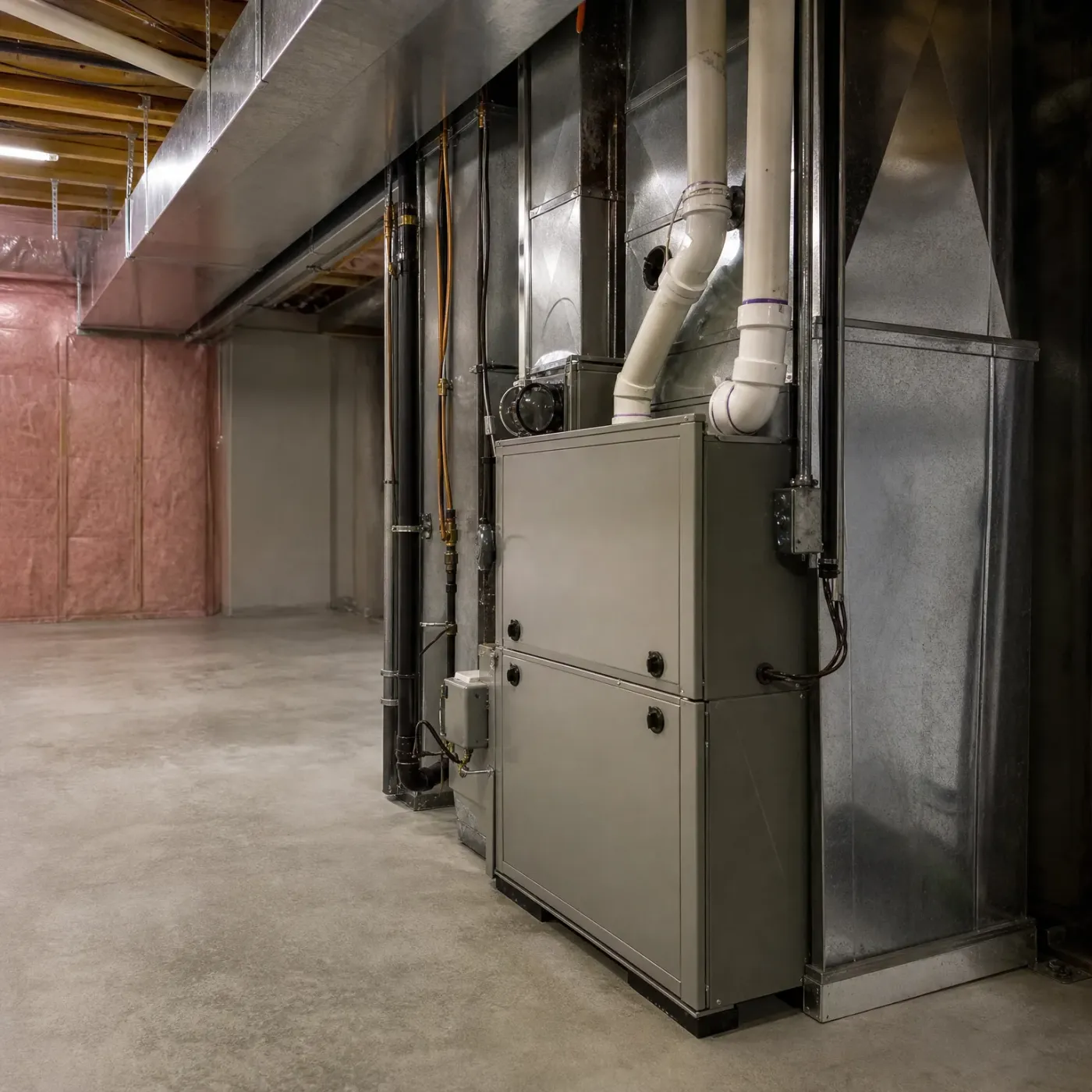
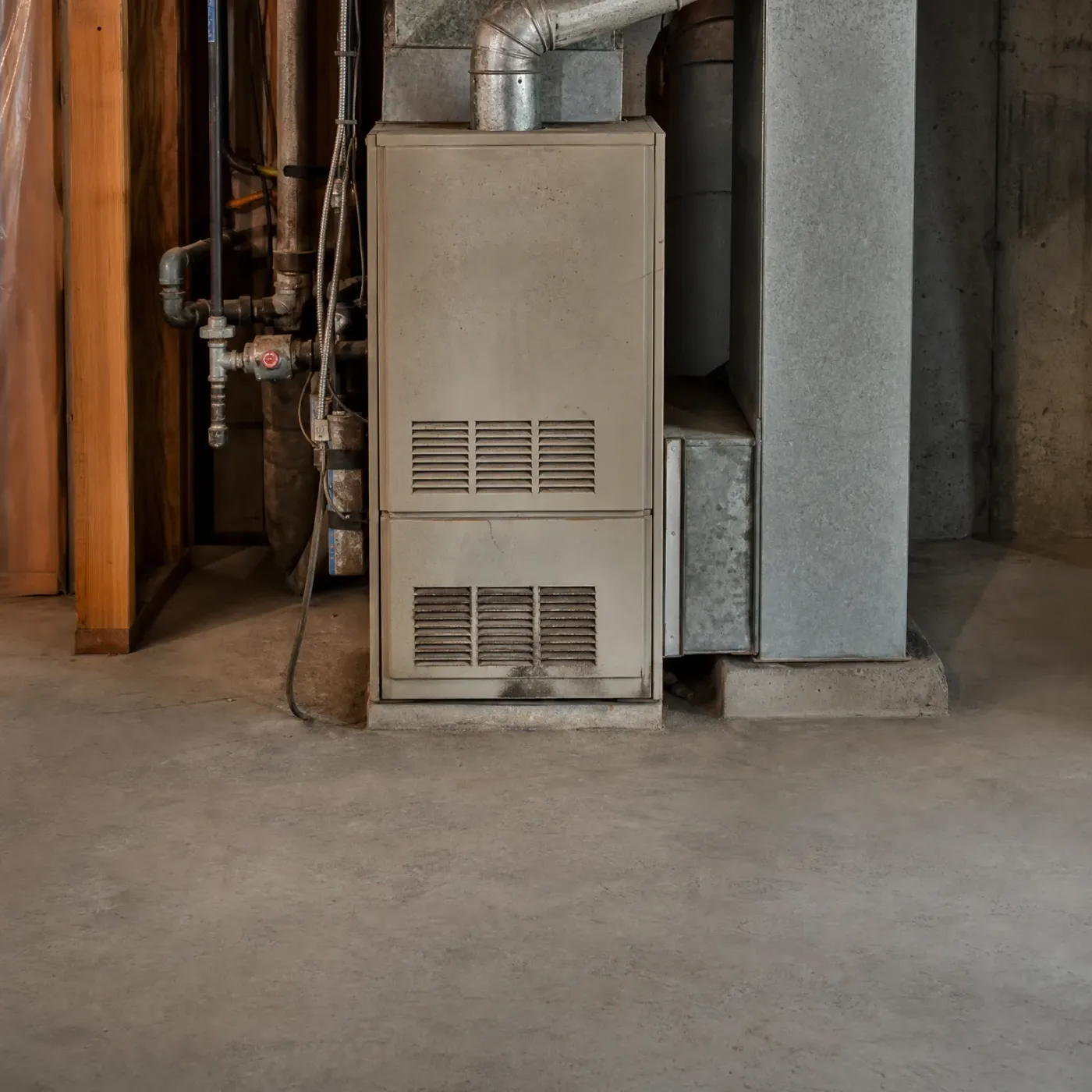
- It runs almost nonstop once the temperature drops instead of cycling on and off normally.
- Rooms farthest from the furnace, like back bedrooms or additions, stay noticeably colder than the rest of the house.
- The blower and burners work longer hours every day, which adds wear that a correctly sized unit wouldn't see.
- On the coldest nights it can't close the gap between outdoor and indoor temperature no matter how long it runs.
- Monthly bills run high for the comfort you're actually getting, since power here isn't cheap and a straining furnace draws on it longer.
Oversized
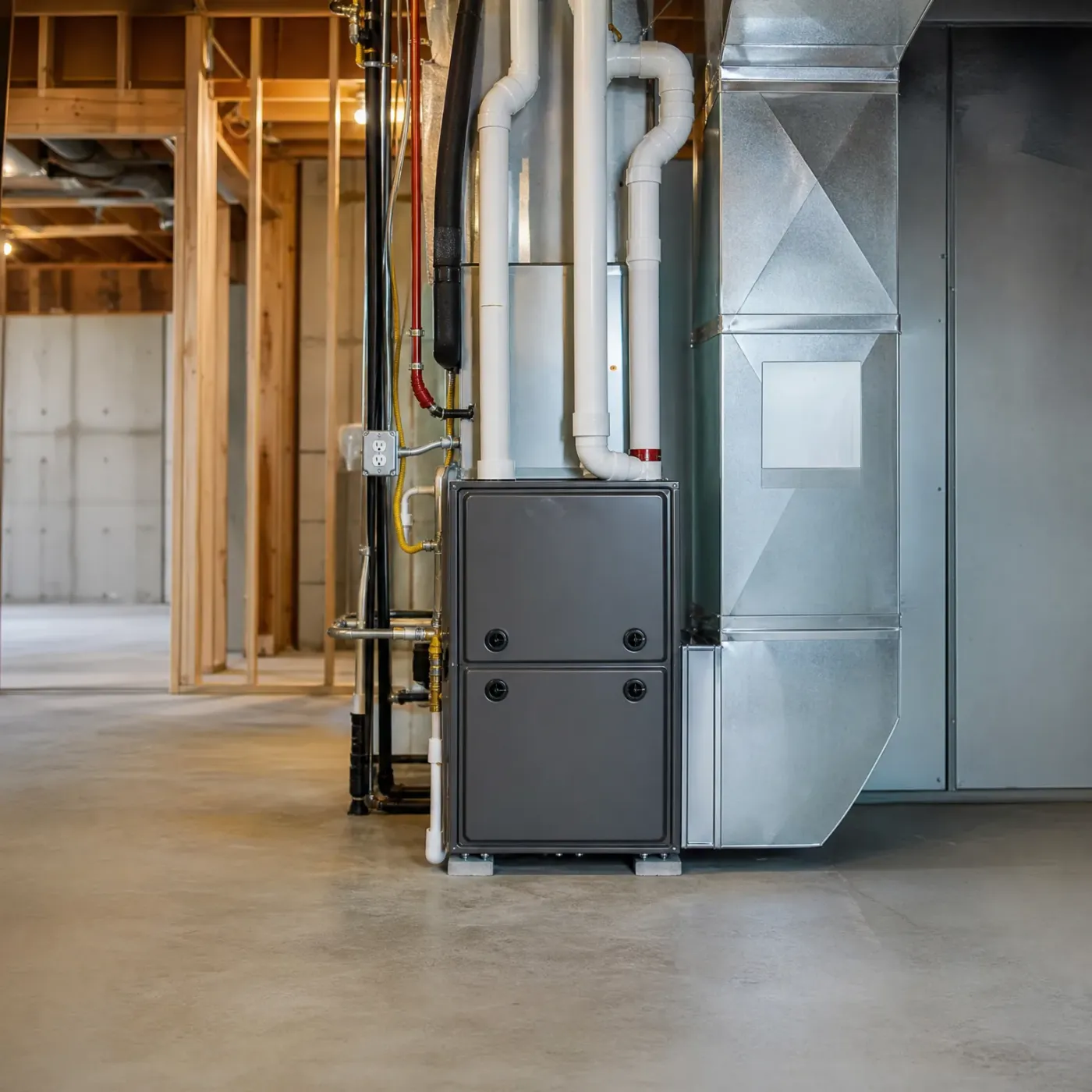
- It blasts the house with heat fast, hits the thermostat setting, and shuts off again within minutes.
- That start stop pattern, called short cycling, means the furnace never settles into a steady, even heat.
- Short cycles wear out igniters and blower motors faster since the furnace is starting up more often than it should.
- The air can feel warm then cold in waves rather than holding steady at one comfortable temperature.
- Humidity stays higher indoors because the furnace isn't running long enough in each cycle to help pull moisture down.
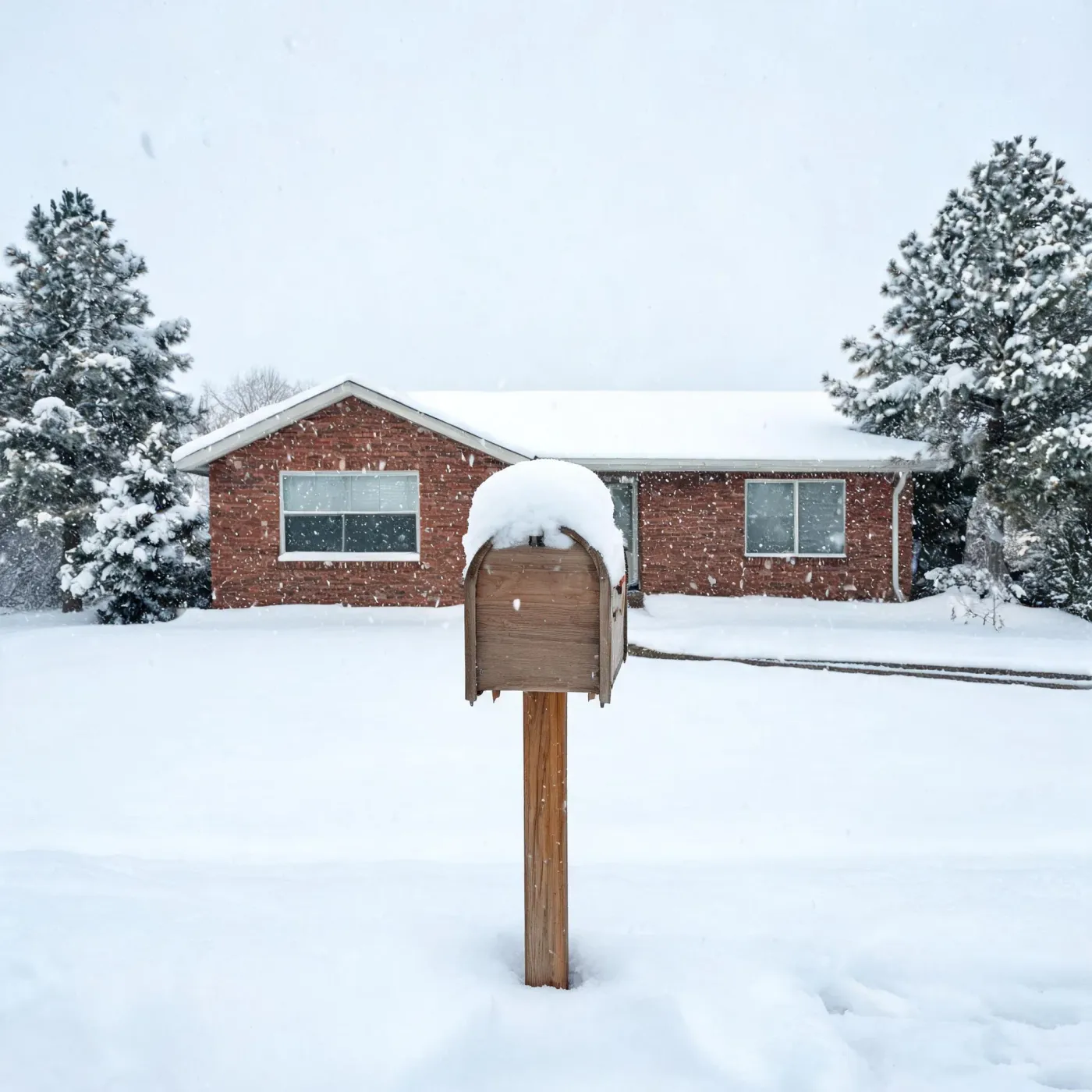
Statewide, winter nights average 19°F, and that's the number a furnace has to answer for, night after night, not just during a cold snap. At that temperature the gap between outside and your thermostat setting is around 50 degrees, and the furnace has to make up that whole difference on its own. You'll feel the sizing mismatch before you ever see a number on a bill. A furnace that's too small runs long stretches without catching up, and you'll notice it in the rooms that take longest to warm. One sized to that average night instead holds steady without straining to get there.
Source: NOAA
NOAA nClimDiv 1991-2020 county normals weighted by homes
Is your furnace actually the wrong size for your house?
Walk through the house on a cold night and check the back bedrooms against the living room. If they're noticeably colder, or the furnace almost never shuts off once it gets dark, that's an undersized unit working a losing battle. If instead it blasts hot air, shuts off fast, and the house cools back down within the hour, it's oversized and short-cycling. Either way, you might notice the gas bill climbing even though the house never quite feels right. A furnace that runs that hard for that long wears out its parts well before it should, and one that short-cycles stresses the heat exchanger every time it kicks on.


The Right Size, Settled
- A Manual J calculation is the only way to know your correct BTU size, since square footage alone can't account for insulation or window count.
- Most Michigan homes end up between 60,000 and 100,000 BTUs, with the final number set by your house, not a generic chart.
- A furnace sized to your actual heat loss cycles on a normal schedule even when the gap between outside and your thermostat hits 50 degrees.
- A contractor who installs furnaces across your area all winter has seen which brands and setups hold up in this cold and which ones struggle.
- Working with one local, licensed contractor means a single visit and one set of answers, not several companies calling to pitch their own numbers.
- Once the load calculation is done, the right size is settled and the guesswork that sends people searching for answers at 10pm is over.
A furnace sized off a load calculation instead of a chart is a furnace that matches your house, not a rule of thumb. For most homes across Michigan that lands between 60,000 and 100,000 BTUs, but the number that matters is the one a contractor works out from your walls, your windows, and your attic, not the one on a sizing chart online. Once that number is set, it stays set. You're not left wondering if the furnace running all night is doing its job or straining against a load it was never built to cover.
Getting there doesn't mean fielding calls from three or four companies, repeating the same details about your house to each one, then trying to figure out why their numbers don't match. It means one licensed contractor local to your area, the kind who's been inside furnaces all winter in houses built like yours and knows which ones hold up when it's 19°F outside and which ones end up on a service call by February. That's who shows up to measure your rooms and check your insulation, and that's who hands you a number you can trust because they're the one who'll stand behind the install.
The wrong size shows up fast, in cold bedrooms or a furnace that won't quit running. The right size just works, quietly, on the coldest night of the year and every ordinary one before it.
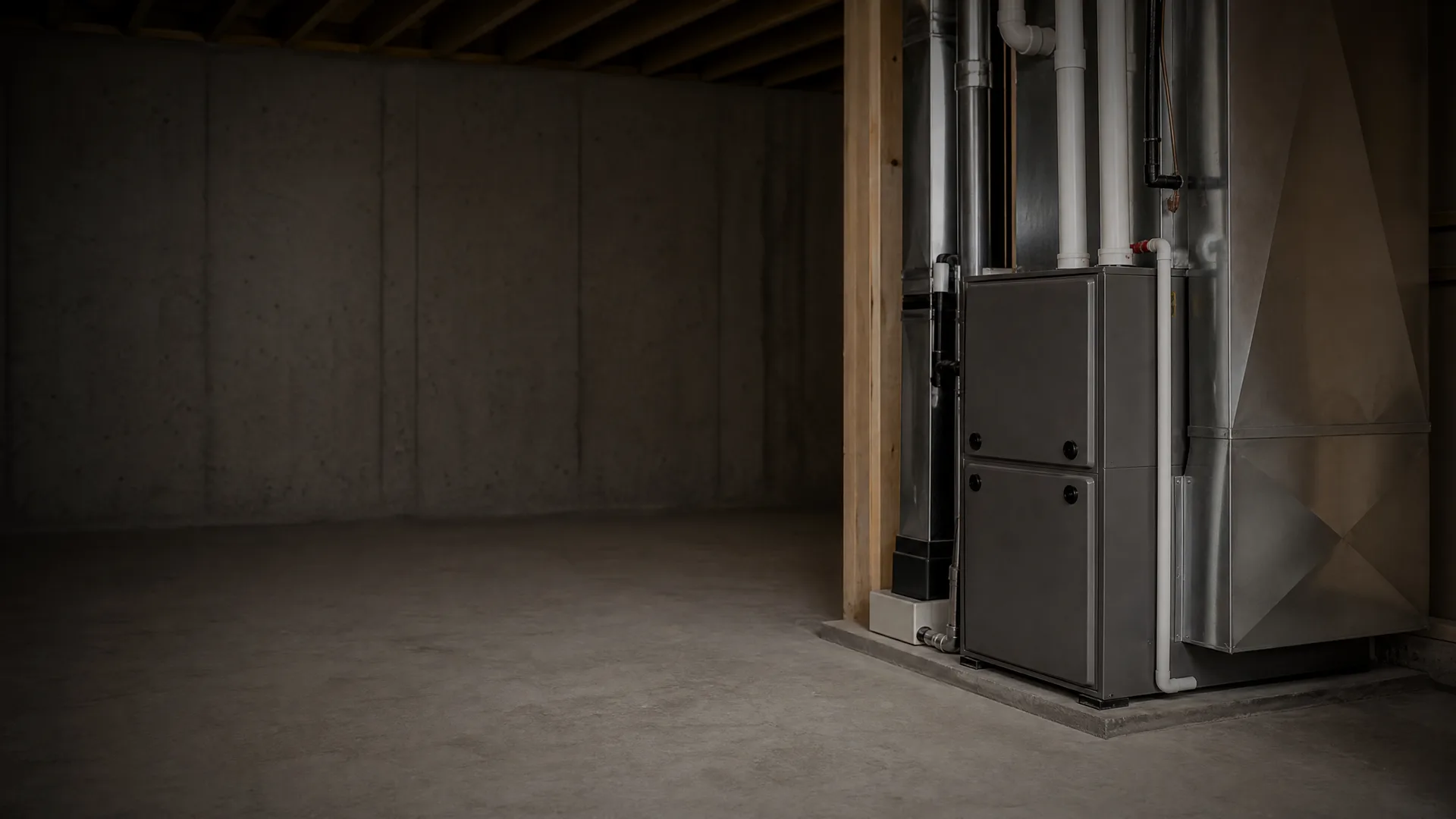
Describe it once
One installer gets your project, so there's no bidding war over it.