

What temperature to set the heat in a Michigan winter
Describe your furnace job, and a local pro who handles it gets in touch.
Get matchedMost people in Michigan keep the thermostat between 68 and 70 degrees during the day in winter, and drop it to around 62 to 65 at night or when the house is empty. That range keeps the furnace running in shorter, steadier cycles instead of fighting to recover from a big temperature swing. Set it any lower during the day and the house struggles to hold warmth through single-digit nights and wind off the lake. Set it higher and the furnace runs longer than it needs to, which adds wear on the blower motor and the burners over a winter that stretches from October into April. A programmable or smart thermostat handles the nighttime drop automatically, so you are not adjusting it by hand twice a day. The right number also depends on how well your furnace is running. A unit that is low on maintenance works harder to hit the same setting, no matter where you put the dial.




Is 68 too low to keep my family comfortable in winter?
You keep seeing 68 recommended everywhere, but with a Michigan winter outside and a house full of people who feel the cold differently, it's fair to wonder if that number actually holds up once January settles in. You're not looking to make anyone grit their teeth through the season just to save on the gas bill.
68 is comfortable for most households once they adjust to it
A house held steady at 68 feels different than a house that swings between 62 and 70 twice a day. Most of the complaints about 68 being cold come from the first week or two, before the body adjusts to a steady temperature instead of a changing one. If someone in the house is still cold at 68, a space heater in that one room costs less to run than raising the whole house a few degrees. Furnaces also heat more evenly at a steady setting than when they're working to recover several degrees after a big drop, so the rooms farthest from the furnace won't lag as far behind.
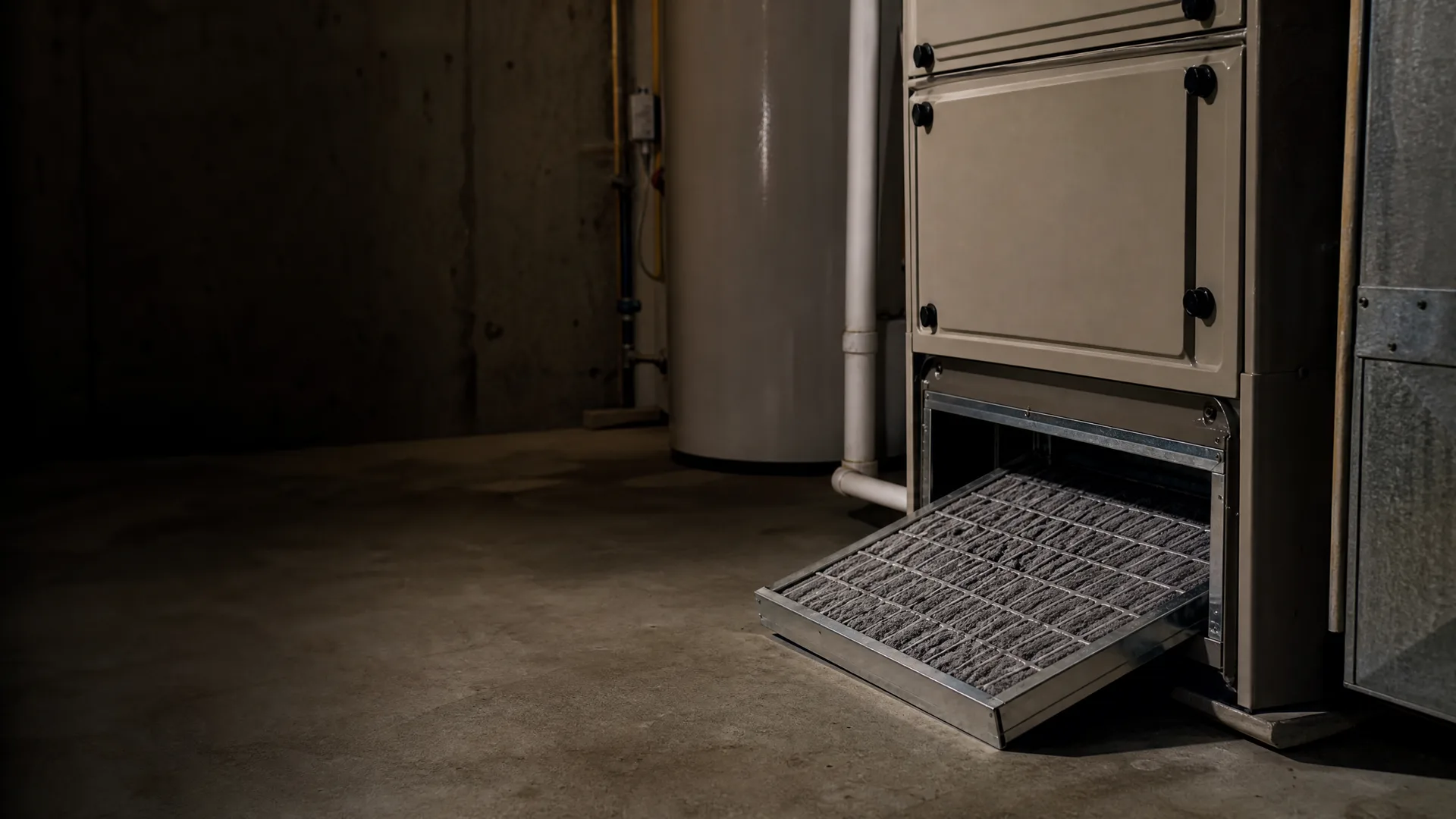
You're down in the basement on a Saturday afternoon in October, the light outside already going gray. You pulled the filter to check it before the cold really sets in, and it's gray with dust, heavier in your hand than you expected. The furnace has been running an hour already, keeping the main floor at 68 like it has every October so far. You slide the filter back in, not all the way, and stand there listening to the blower. Upstairs someone bumps the thermostat down for the night. You make a note to ask someone who actually does this for a living whether that filter should have been changed already, and how often, before the real cold comes.
A local pro for your furnace maintenance
Fill out one form instead of calling around for a furnace tune-up.
It costs nothing to send, and you don't have to hire anyone.
How your furnace actually responds
- Every thermostat setback makes the furnace run longer at startup to recover the lost degrees, so a swing bigger than about 7 degrees can cost more than it saves.
- The furnace cycles on when the house drops about 1 to 2 degrees below the set point and off once it's met, not continuously.
- A programmable or smart thermostat can step the temperature down gradually before bed instead of dropping it all at once, which eases the recovery load.
- Setting the heat lower than the house can actually hold just means the furnace runs longer trying to reach a number it won't hit.
- Rooms far from the furnace or near big windows will read colder than the thermostat number no matter where you set it.
- A thermostat held at one steady number all day uses less total run time than one swung sharply up and down.
Your thermostat is not a dial that makes heat come out faster. It's a switch. The furnace fires when the house drops a degree or two below your setting, and it shuts off once that number is met. Nothing you do changes how fast it can raise the temperature once it's running. So when you drop the thermostat 10 or 12 degrees overnight, you haven't saved that gap, you've just handed the furnace a bigger climb in the morning, and it has to run long and hard to close it. A smart or programmable thermostat helps here because it can step the temperature down a few degrees at a time before bed rather than all at once, so there's less ground to make up later. Setting the thermostat to 58 when your house only ever settles around 62 on a cold night doesn't get you to 58. It just means the furnace keeps firing, trying to hit a number the house can't physically reach that day. And wherever you set it, a room at the far end of the ductwork, or one with a big window facing the wind, is going to feel cooler than the number on the wall, because the thermostat only reads the air around it. The homes that get the most even heat for the least total run time are usually the ones left at one steady number, not the ones swung up and down through the day.
Winter nights average 19°F statewide
At 19°F outside overnight, a 68-degree thermostat is asking your furnace to make up close to 50 degrees. That gap is why it runs in long stretches once the sun goes down, not just a few minutes here and there.
NOAA nClimDiv 1991-2020 county normals weighted by homes
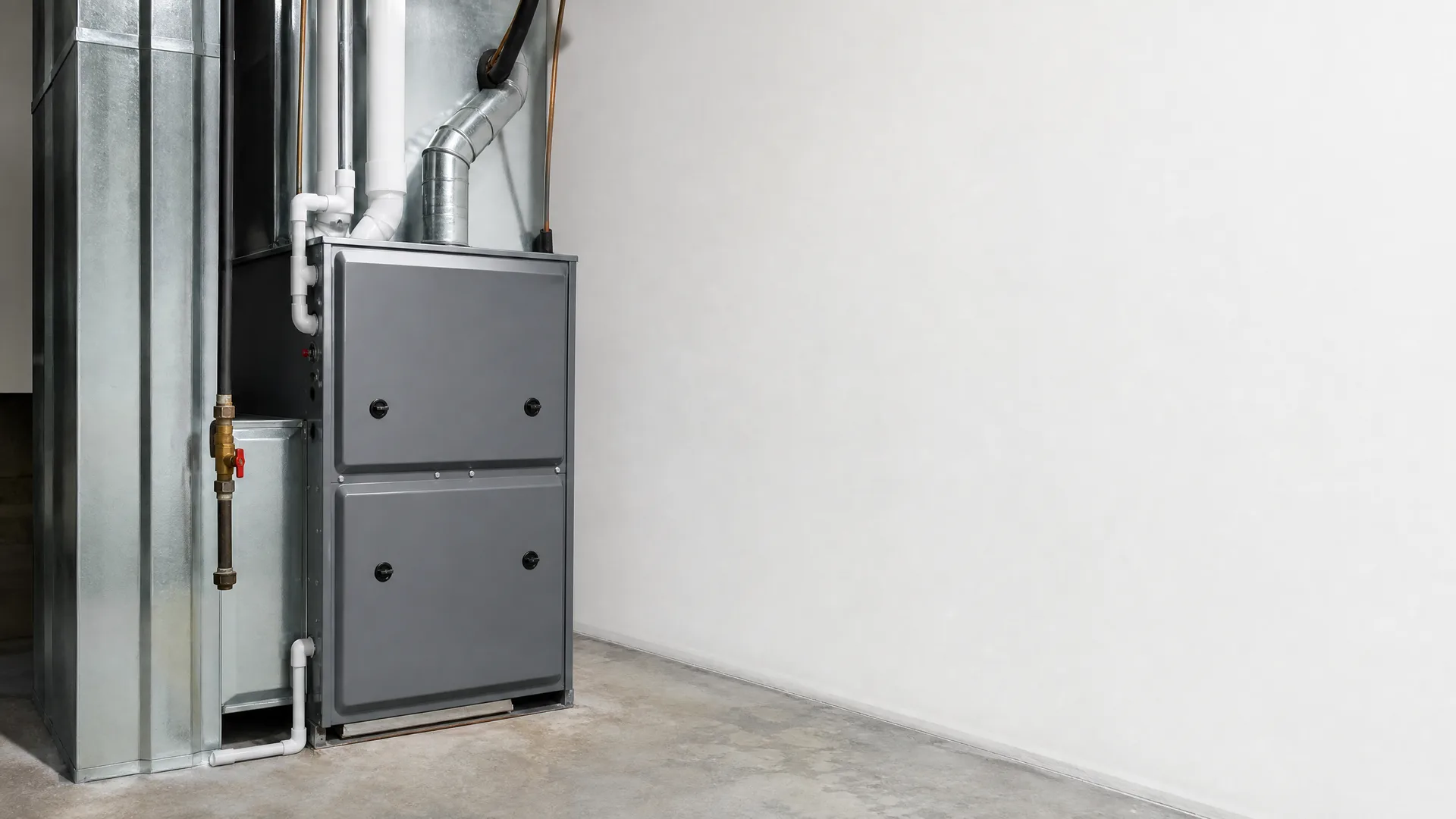
A steady setting all day
Keep the thermostat at one number from morning to night and the furnace settles into a rhythm. It comes on, brings the house up a degree or two, shuts off, and waits. Each cycle is short because it never has far to climb. Over a long stretch of January days, that steadiness is what keeps the burner from laboring, and it's one of the easier things a maintenance visit can confirm is still working the way it should.
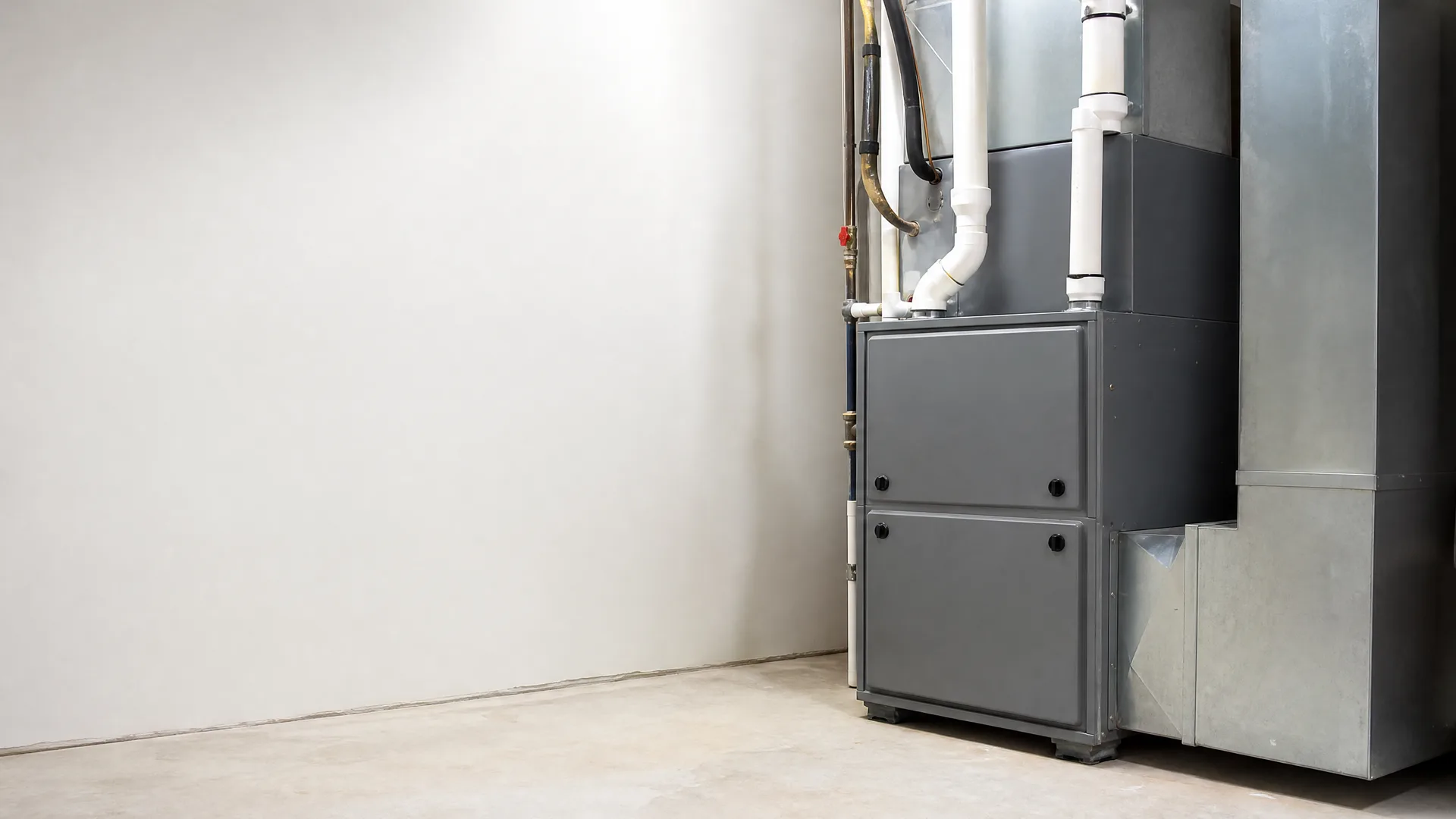
A wide swing overnight
Drop the house to 62 before bed and the furnace sits idle for hours while the rooms cool down. Push the setting back up in the morning and it has to recover all of that at once, often ten degrees or more, in a single long run. That's harder on the igniter and the blower than the short cycles a steady temperature produces, and it's worth having a contractor check those parts if you run your system this way.

68 in the day, a little lower at night, and let the furnace hold it
That's the whole answer. No number is exactly right for every house on your street, because your furnace, your ductwork, and how your house holds heat all play a part. What's true for every house is the same: pick a range you can live with, let the furnace hold it, and stop nudging the dial up and down looking for relief. A furnace that runs in short, steady cycles all winter is doing its job the way it was built to.
Where a lot of this comes down to is whether the furnace itself is still working the way it should, and that's not something you can tell by looking at the thermostat. A furnace that's overdue for a look can struggle to hold any setting, no matter what number you choose. If you'd rather not spend another evening calling around Michigan heating companies, getting quotes, and explaining the same thing three times, answering a few questions here gets you matched with a contractor who knows this kind of work and has them reach out to you directly.



Furnace Maintenance
Get the right pro for your furnace
Fill out one short form instead of calling around.
