Michigan Furnace Pros

Why one room stays cold in a Michigan winter

Step 1 of 3: Equipment

That one room usually sits farthest from the furnace, at the end of a duct run that loses heat and pressure before the air ever gets there. Sometimes the duct feeding it is pinched, blocked, or disconnected behind a wall. Sometimes the problem is simpler: a register closed in another room, or furniture pushed against the one in the cold room, is starving it of what little air was reaching it. A furnace that is short-cycling or undersized for a Michigan winter will heat the rooms closest to it fine and leave the rest behind. This is the kind of thing worth having checked before it turns into a bigger repair, since a duct or register problem rarely fixes itself and tends to get more expensive the longer it runs. A licensed furnace repair contractor can trace the ductwork, check the airflow at that register, and find out whether it is a blockage, a balancing problem, or the furnace itself.

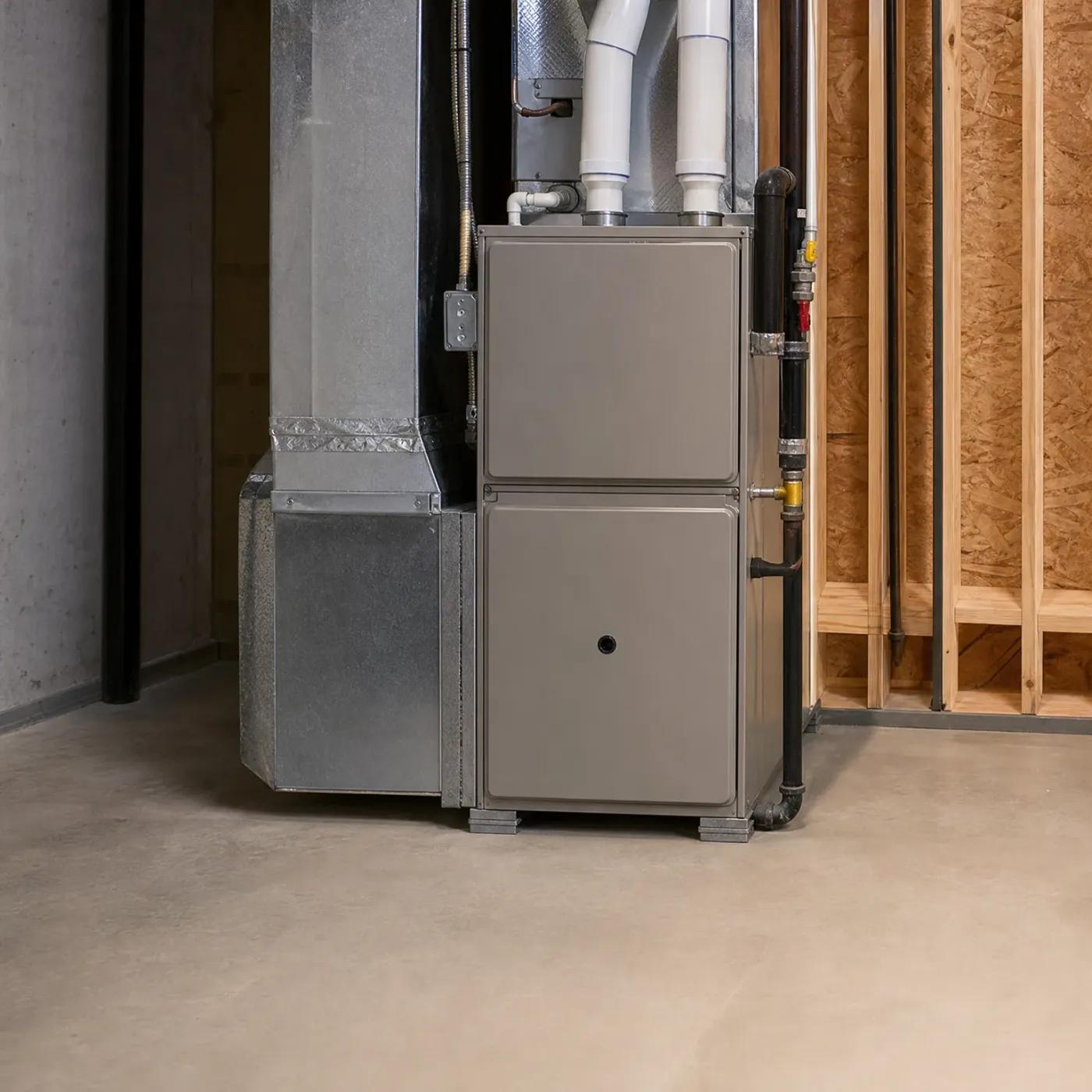
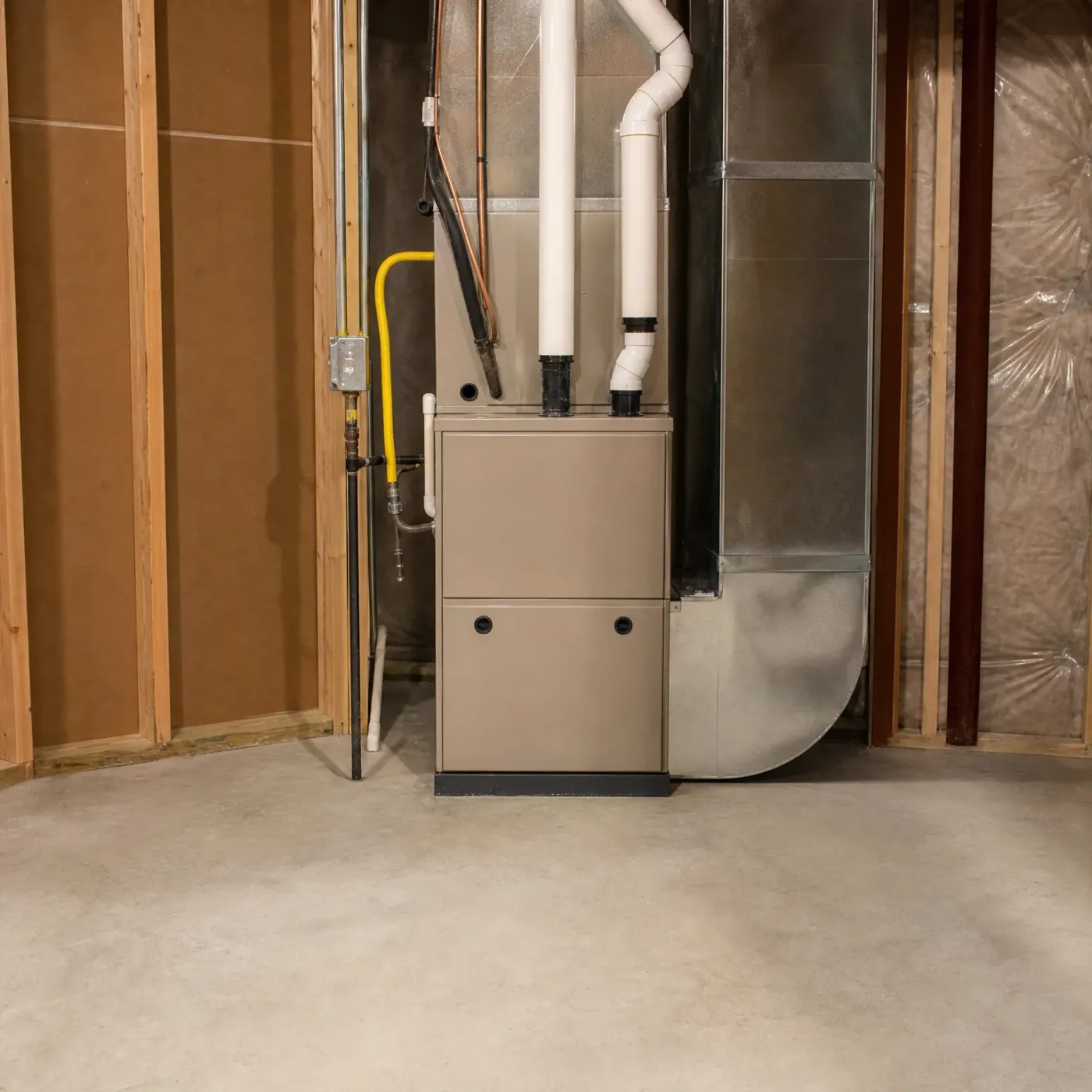
A beige high-efficiency furnace in an unfinished basement, with white PVC vent pipes, a yellow gas line, metal ductwork, and exposed wood framing on a concrete floor.

Rest of the house, even heat

The furnace cycles on, pushes warm air through the ducts, and every room comes up to temperature together. The blower runs steady, the exhaust pipes vent clean, and the gas line feeds a flame that stays lit the whole cycle. Nothing is fighting the system here.
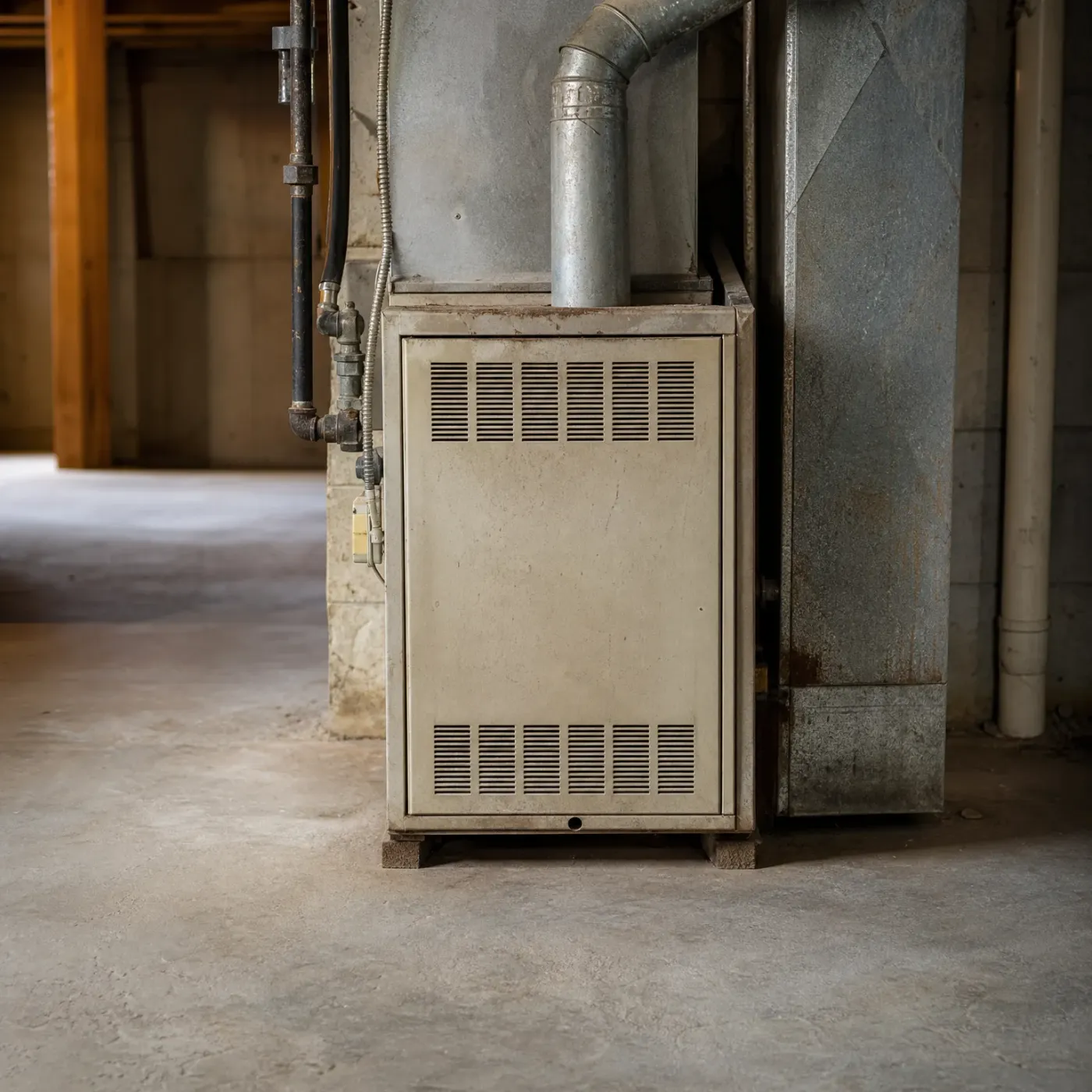

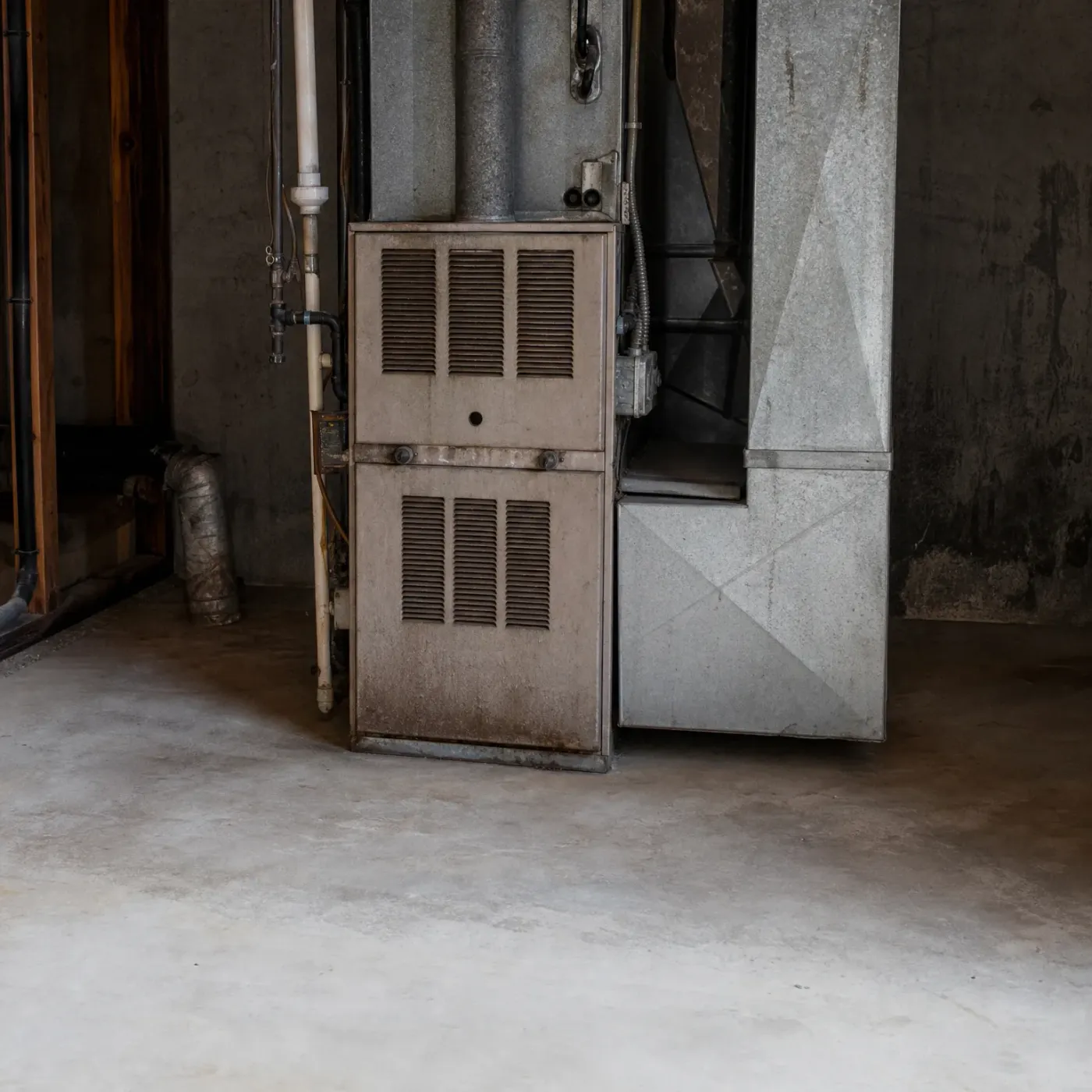
An older beige furnace with two louvered vent panels stands on a concrete basement floor, connected to galvanized ductwork and a metal flue pipe, with gas piping and flexible conduit on the wall behind.

The one cold room

Same furnace, same gas line, but the air that reaches this room has already lost heat and pressure along the way. The duct run is longer, the pipe fittings are older, and whatever is cutting the flow, a pinch, a blockage, a loose connection, shows up only here.

Is It the Ducts or the Room

Duct problem

  • The duct feeding that room may have come loose at a joint and is dumping warm air into the basement or attic instead of the room.
  • A crushed or kinked flex duct behind a wall cuts the airflow down to a trickle even though the blower is running fine.
  • A damper in the trunk line can get bumped or seized shut, starving just that one branch while the rest of the house heats normally.
  • Long runs to a far room lose heat along the way, so the air arriving there is noticeably cooler than air coming out near the furnace.
  • A disconnected duct in a crawlspace or attic is easy to miss since nothing looks wrong from inside the room itself.
  • Sealing or reconnecting the right section of duct can bring that room level with the rest of the house without touching anything else.

Something else in the room

  • A closed or blocked vent, even partway, is enough to leave one room noticeably colder while every other register runs warm.
  • Furniture, rugs, or curtains sitting over a floor register will quietly choke airflow all winter without anyone noticing.
  • A window or door that does not seal tight lets outside cold in faster than the vent can keep up, especially on the coldest nights.
  • If that room sits above a garage or at a corner of the house, it loses heat to outside air on more sides than the rooms around it.
  • A thermostat located far from that room reads the hallway temperature, not the room's, so the furnace shuts off before that space catches up.
  • None of these point to the furnace itself, so the fix is often as simple as checking what's blocking or bordering that one room.
A smiling man in a gray long-sleeved shirt stands in a kitchen looking to the side, with open shelves of dishes, a white mug on the counter, a potted plant, and a view through a doorway into a living room.
A smiling bearded man in a green sweater sits at a white marble kitchen island with a mug, potted plant and bowl of fruit, in a bright white interior with open shelving and an arched doorway.
A smiling man with dark curly hair and a beard, wearing a dark green knit sweater, stands at a white marble kitchen counter with a dark blue mug, with open shelving, pendant lights and a houseplant behind him.
A smiling man in a green ribbed sweater stands behind a wooden table holding a ceramic mug of coffee in a kitchen with white subway tile, shelves of potted plants, and a bowl of fruit.

Why does the thermostat say one thing and that room feel like another?

You set the thermostat to 70 and the hallway feels fine, but that one bedroom or the room over the garage needs a space heater to be usable. You notice it most in January and February, when outside temperatures drop hard and the duct losses that are easy to ignore in November turn into a room you just stop using. Press your hand near the floor vent in that room. If the air coming out is weak or barely warm while every other vent in the house blows strong, that's your answer. Left alone, the fix doesn't get cheaper. A pinched or disconnected duct can also push warm, moist air into a wall cavity or attic space it was never meant to reach, which is worth catching before it turns into something behind the drywall you can't see.

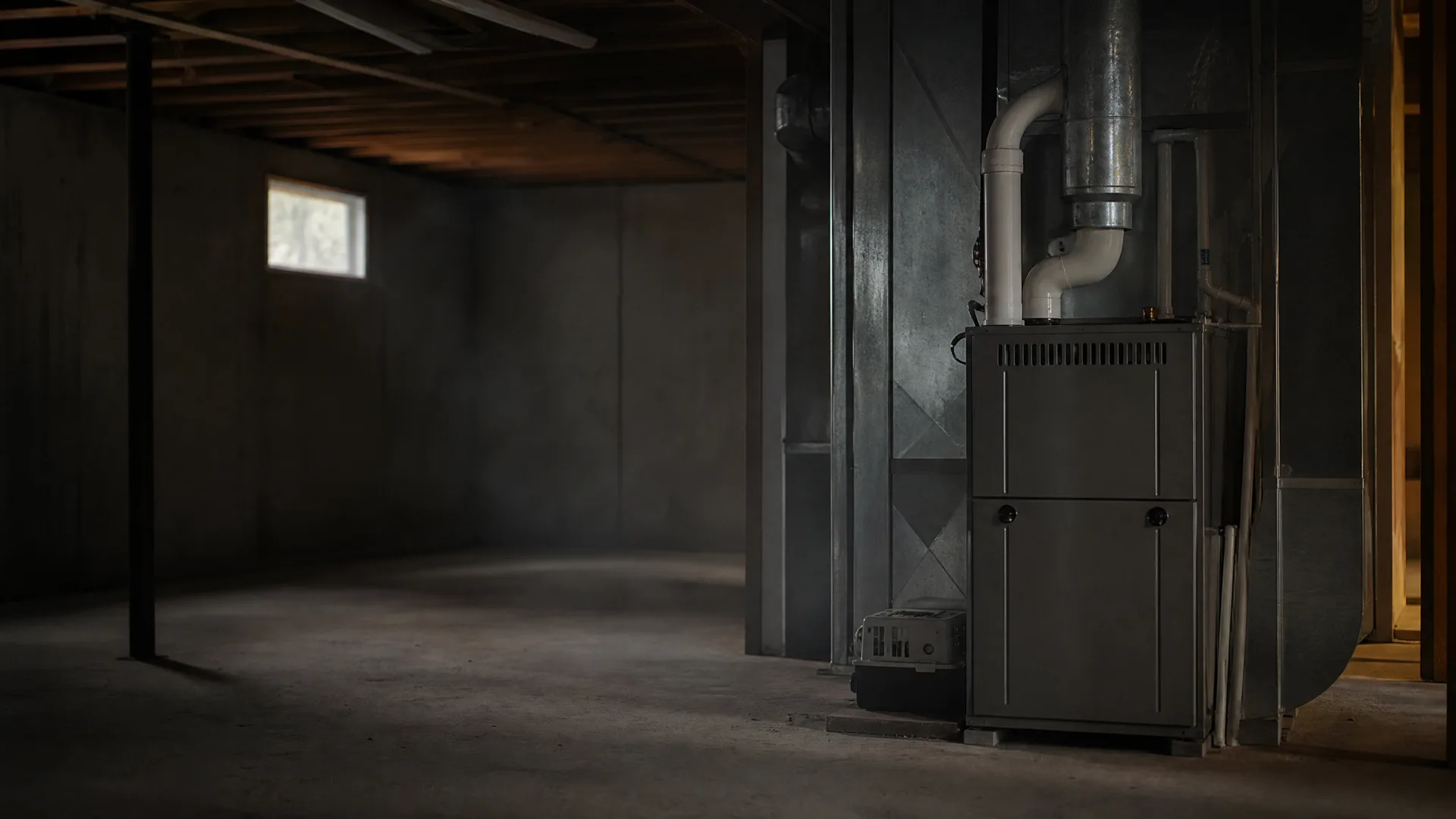
A dim unfinished basement with concrete walls, exposed floor joists, a small window, and a furnace connected to metal ductwork and PVC venting.

You go down to check the furnace around seven, after dinner, because the bedroom above still hasn't warmed up. The basement is cold enough that you can see your breath for a second near the register. The furnace sits dark. No hum, no flame glow through the sight window, nothing. A thin layer of dust sits undisturbed on top of the cabinet, the kind that would be stirred up if the blower had run recently. Outside it's already below freezing, a typical November night in Michigan. You stand there a minute, listening for anything, then head back upstairs to find your phone.

Hand off the furnace problem

A duct that's lost its connection behind a wall, or a damper someone closed years ago and forgot about, isn't something you find by staring at a thermostat. It takes someone opening the register, checking static pressure, maybe getting into the ductwork itself. A furnace tech who works Michigan winters sees this exact complaint all season, the one cold room while the rest of the house is fine, and knows which three or four causes account for most of them. That's faster than guessing your way through space heaters and closed vents for another month. Send the request and it goes to one licensed local contractor, not a handful competing for your callback. They'll know what's common in homes around here and what to check first. You've already lived with this room long enough to know it isn't fixing itself. Getting someone in to actually look at the duct run and the register is the next step, and it's off your plate once you send it.

A furnace blower is built to push air against resistance, but every duct run still has a limit to how far it can carry heat before the air cools and the pressure drops off.

That's why the room at the far end of the longest run is almost always the one that struggles, while rooms closer to the furnace come up to temperature without any trouble.

An older gas furnace with two louvered front panels stands on a concrete basement floor beside galvanized sheet-metal ductwork, pipes, and a weathered concrete wall.
Before you get your furnace repair
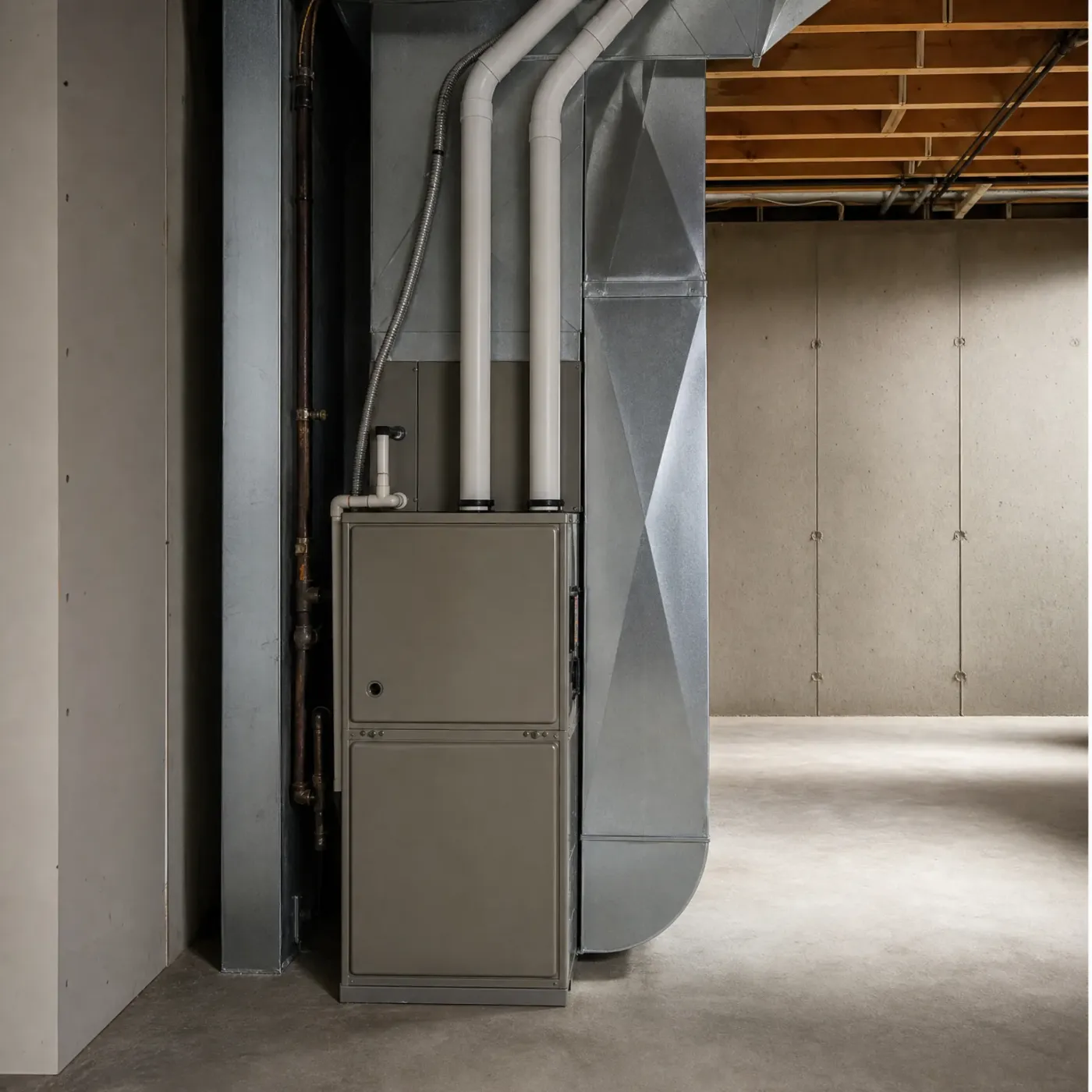
A gray high-efficiency furnace in a basement, connected to sheet-metal ductwork on the left and white PVC vent pipes above, with black gas and drain piping and an exposed wood-stud wall with OSB sheathing on the right.
After you get your furnace repair

Fix the duct run

If the problem is in the ductwork, sealing or reconnecting that run gets full airflow back to the room without touching anything else in the house.

Find a local pro

Leave it alone

The room stays cold all winter, the furnace keeps working harder to compensate, and the gap between that room and the rest of the house never closes.

Find a local pro

Does closing the vent in other rooms help heat that cold room?

You've thought about closing the vents in the warmer rooms to push more heat toward the cold one. It seems like it should work the same way as closing a water valve to send more pressure somewhere else. Before you start shutting registers all over the house, it helps to know what that actually does to a forced air system and whether it solves anything in the room that's cold.

No, closing vents raises pressure in the ducts and can make the cold room worse

A furnace blower is sized to move a set amount of air against a set amount of resistance. Close off registers in other rooms and that air has nowhere to go, so pressure builds in the duct system instead. That extra pressure pushes harder against whatever is already limiting airflow to the cold room, whether that's a long run or a weak connection, and often makes it worse, not better. It also strains the blower motor and can cause it to overheat. The fix for a cold room is getting more air to that room, not blocking air everywhere else. A contractor can check static pressure and tell you whether the duct run itself needs sealing or rebalancing.

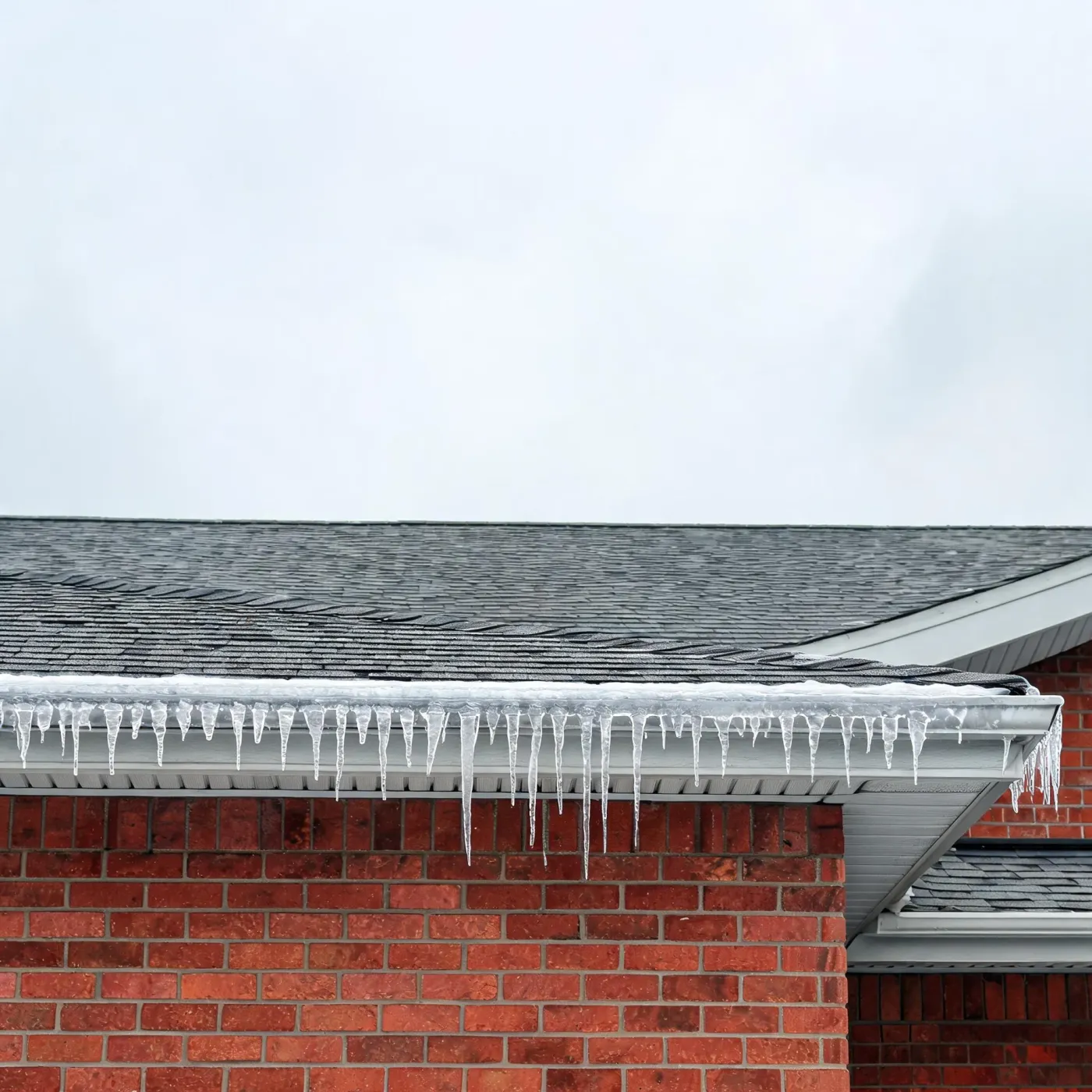
Icicles hanging from a white gutter along the edge of a gray shingled roof on a red brick house, under an overcast sky.

The National Weather Service puts the statewide average winter night at 19°F. At that temperature, your furnace isn't cycling off and on anymore, it's running long stretches just to hold 70 at the thermostat. The far end of a duct run feels that first. Warm air loses a few degrees over distance even when everything is sealed right, and on a 19°F night that difference is enough to turn "a little cool" into "needs a space heater." That's why the cold room shows up in deep winter and barely bothers you in November.

NOAA nClimDiv 1991-2020 county normals weighted by homes

A smiling man with dark curly hair in a navy t-shirt sits on a gray couch indoors, with a large-leafed plant and a window in the background.
A bearded man in a plaid flannel shirt stands in a kitchen looking out a window toward snow-covered shrubs, with a steaming mug on the windowsill and potted plants on a shelf behind him.

Winter nights average 19°F statewide

At 19°F, your furnace is running long stretches, not short bursts, to hold 70 inside. That long run shows up as a steady draw on the duct feeding that one room, and a weak spot there, a loose joint, a kink, a closed damper, costs you more the colder it gets outside.

NOAA nClimDiv 1991-2020 county normals weighted by homes

Where the cold room stands now

  • The cold room almost always traces back to the duct run feeding it, not to the furnace itself.
  • A loose joint, a kinked flex duct, or a damper closed years ago explains most of these cases.
  • Finding which one it is takes opening the register and checking pressure, not watching the thermostat.
  • A local contractor who works on furnaces all winter has likely already seen this exact duct run fail.
  • One contractor takes the job, so you hear from a single tech instead of fielding calls from several companies.
  • Once the duct problem is fixed, that room holds 70 the same as the rest of the house.

The thermostat isn't lying and the furnace isn't failing. The air just isn't getting to that one room the way it gets to the rest of the house. Somewhere between the furnace and that register, a duct run is losing the air before it arrives, whether that's a joint that came apart, a kink behind a wall, or a damper someone shut years ago and never opened back up. None of that shows up on a thermostat. It shows up when someone opens the register, checks the pressure, and follows the duct back to where it quits doing its job.

That's the kind of thing a furnace tech who works this area every winter has run into before, often in a house with the same layout as yours. Michigan basements and the duct runs coming off them aren't unusual work for someone local. One contractor takes the job and looks at your duct run specifically, so you're not explaining the problem three times to three different companies, just once to the person who's going to open it up and find it.

Once that run gets sealed, reconnected, or opened back up, the room stops being the exception. It heats on the same cycle as everywhere else, holds 70 the same way, and stays that way through the rest of the winter. The furnace isn't working any harder than it was built to. It just needed the air to actually reach where it was headed.

A gray high-efficiency furnace in an unfinished basement, connected to sheet-metal ductwork and two white PVC vent pipes, with copper piping and exposed wood floor joists nearby.

Done looking for a furnace pro

Get a licensed local pro

Your request stays with one local pro.

Sending the form costs nothing.